The Law Is Clear: Rideshare Drivers Cannot Refuse Service Dogs
If you rely on a service dog, you have likely experienced — or feared — being denied a ride by an Uber, Lyft, or other rideshare driver. It happens more often than it should, and it is illegal every single time. Under the Americans with Disabilities Act (ADA), rideshare companies are considered transportation services and must accommodate service dogs. Drivers who refuse to transport a service dog handler are violating federal law.
Both Uber and Lyft have explicit policies that align with the ADA. Their terms of service require all drivers to transport service animals regardless of the driver's personal preferences, allergies, or religious beliefs. Violating this policy can result in deactivation from the platform.
What the ADA Says About Rideshares
The ADA requires that private transportation companies provide equal service to people with disabilities. This includes rideshare services like Uber, Lyft, Via, and any other app-based transportation platform. Under the ADA:
- Drivers must allow service dogs to ride in the vehicle
- No extra fees can be charged for having a service dog
- Drivers cannot ask for documentation or proof of disability
- Drivers can only ask the two standard ADA questions if the dog's status is not apparent
- Allergies, fear of dogs, or vehicle cleanliness concerns are not valid reasons to deny a ride
The DOJ has made clear that the ADA applies to rideshare companies just as it applies to taxi services. Several high-profile enforcement actions and settlements in recent years have reinforced this point.
Why Denials Still Happen
Despite clear legal protections, service dog handlers report being denied rideshare rides at alarming rates. A 2024 survey by the National Federation of the Blind found that over 50% of service dog handlers had been denied a ride at least once. Common reasons drivers give include:
- "I'm allergic to dogs"
- "No animals allowed in my car"
- "You need to have a carrier"
- "I just had my car cleaned"
- Simply canceling the ride after seeing the dog, without explanation
None of these are legally valid reasons to deny a service dog handler. The driver's personal discomfort does not override federal disability rights law.
What to Do If a Driver Denies Your Service Dog
If a rideshare driver refuses to transport you and your service dog, take these steps immediately:
- Stay calm and state your rights: Politely inform the driver that service dogs are legally required to be accommodated under the ADA and the company's own policy.
- Document everything: Note the driver's name, license plate, vehicle description, and the exact time. Take a screenshot of the ride details in the app. If safe to do so, record video of the interaction.
- Report to the rideshare company: Both Uber and Lyft have specific reporting options for service animal denials. In the Uber app, go to Help > Trip Issues > "I was denied a ride with my service animal." Lyft has a similar reporting path. Include all documentation.
- File a complaint with the DOJ: You can file an ADA complaint online at ada.gov. Federal complaints create a record that can lead to enforcement action against the company.
- Contact your state attorney general: Many states have their own disability rights laws with additional protections and enforcement mechanisms.
Be Prepared for Every Ride
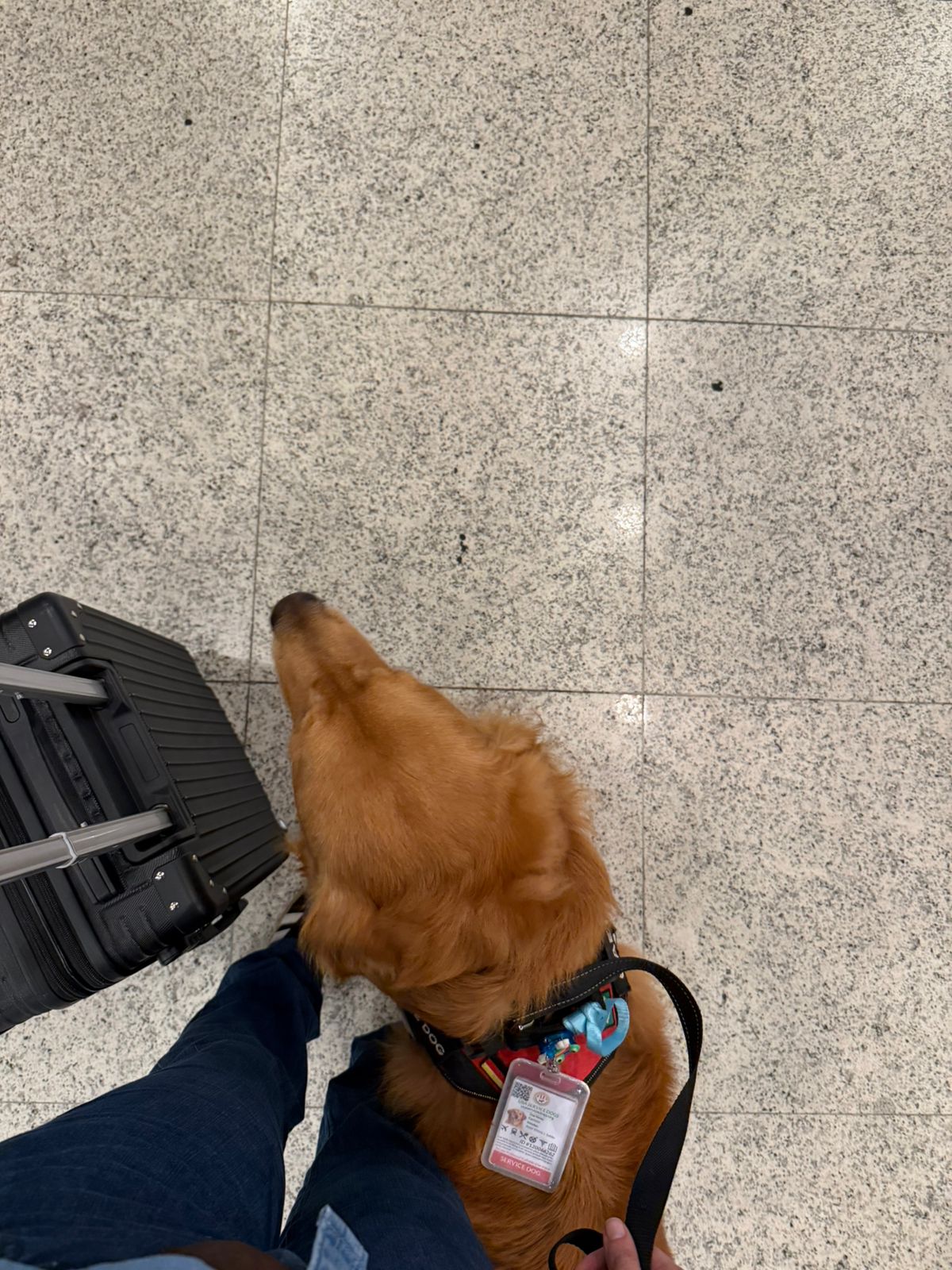
A verified digital ID card makes your service dog's status clear before any questions arise.
Create Your Free Profile →How Uber and Lyft Handle Violations
Both companies have stated that drivers who deny service animal rides face consequences up to permanent deactivation. Here is how each platform handles it:
Uber
Uber's service animal policy states that all drivers must accommodate service animals. When a denial is reported, Uber investigates and may temporarily deactivate the driver during the investigation. Confirmed violations can result in permanent removal from the platform. Uber also requires all new drivers to acknowledge the service animal policy during onboarding.
Lyft
Lyft similarly requires all drivers to comply with its service animal policy. Reported denials trigger a review, and drivers found in violation are subject to deactivation. Lyft has also faced lawsuits and settlements related to service animal denials, leading to stronger enforcement of its policies.
Tips for Smoother Rideshare Experiences
While the law is on your side, practical steps can help reduce the chance of a confrontation:
- Add a note to your ride request: Some handlers add a message like "I will be traveling with my service dog" when requesting a ride. This is not legally required but can help set expectations.
- Have your ID ready: A ServiceDog Profile digital ID card on your phone provides instant verification that can defuse a potential denial before it happens. When a driver sees a professional, verifiable profile, they are less likely to challenge your right to ride.
- Use the accessibility features: Uber's app includes an "Accessibility" section where you can indicate you travel with a service animal. This routes your request to drivers who have acknowledged the policy.
- Bring a towel or blanket: While not required, placing a blanket on the seat for your dog is a courtesy that many handlers practice. It shows consideration for the driver's vehicle and often reduces tension.
Legal Settlements and Precedents
The legal landscape strongly supports service dog handlers in rideshare disputes. In 2021, Uber paid $2.2 million to settle a lawsuit brought by the National Federation of the Blind over widespread service animal denials. The settlement required Uber to improve driver training, enhance its reporting system, and implement stronger enforcement. Lyft has faced similar legal pressure, resulting in policy improvements and driver education programs.
Individual handlers have also won legal judgments and settlements. Courts have consistently ruled that rideshare companies bear responsibility for their drivers' ADA compliance, even though drivers are classified as independent contractors.
Your Rights Are Non-Negotiable
Rideshare drivers cannot deny your service dog — period. The law is clear, the company policies align with the law, and enforcement mechanisms exist. If you are denied a ride, document it and report it. Every report contributes to better training, stronger enforcement, and a more accessible transportation system for all service dog handlers.