The Short Answer: No, the ADA Does Not Require a Vest
One of the most common questions service dog handlers face is whether their dog must wear a vest, harness, or other identifying gear in public. The answer under federal law is clear: the Americans with Disabilities Act (ADA) does not require service dogs to wear a vest, ID tag, or any specific gear. Your service dog's right to accompany you in public places is based on the dog's training and the tasks it performs — not on what it wears.
The U.S. Department of Justice has repeatedly confirmed this position. Under ADA Title II and Title III, businesses and state or local government entities may only ask two questions when it is not obvious that a dog is a service animal: (1) Is the dog required because of a disability? (2) What task has the dog been trained to perform? They cannot require documentation, certification, or that the dog wear any particular gear.
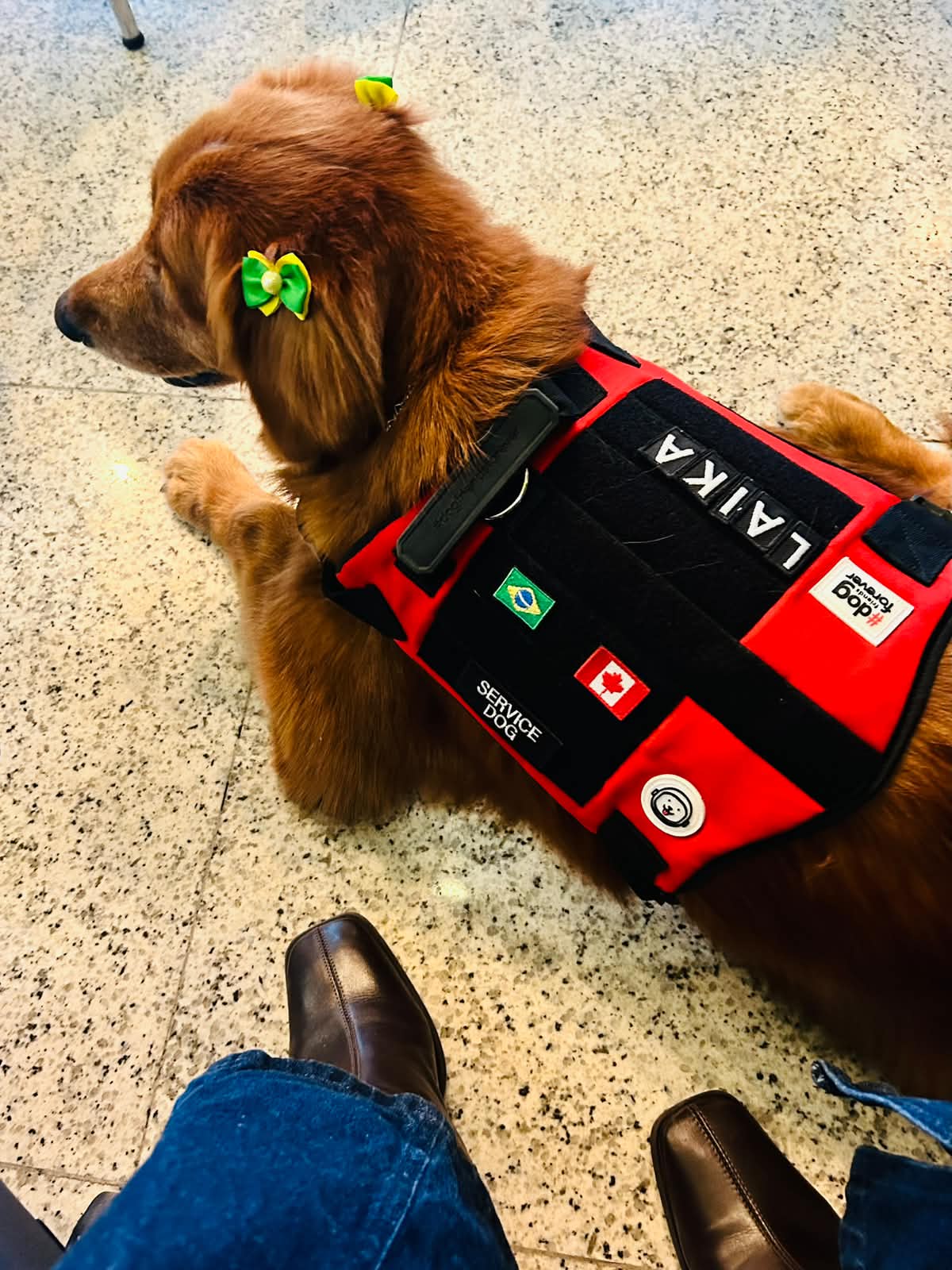
Why Most Handlers Choose to Use a Vest Anyway
Despite no legal requirement, the overwhelming majority of service dog handlers use a vest, harness, or cape. There are several practical reasons for this choice:
- Reduces confrontations: A clearly marked service dog is less likely to be questioned or challenged by business employees. The vest acts as a visual signal that the dog is working, not a pet.
- Signals "do not pet" to the public: Patches reading "Service Dog — Do Not Pet" or "Working Dog" help discourage well-meaning strangers from distracting your dog during tasks.
- Keeps the dog in work mode: Many trainers use the vest as a behavioral cue. When the vest goes on, the dog knows it is time to focus. When it comes off, the dog can relax.
- Provides practical storage: Many service dog vests have pockets for carrying medication, ID cards, waste bags, or other essentials.
- Speeds up access at airports and hotels: While not legally required, a vest combined with a digital ID card from ServiceDog Profile makes the identification process faster at airlines, hotels, and other venues.
State Laws May Differ
While the ADA sets the federal baseline, some states have their own service animal laws that may include additional provisions. A handful of states offer voluntary service dog registration programs, and some local ordinances may reference identification gear. However, no state can impose requirements that reduce the rights granted under the ADA. If a state law conflicts with the ADA by being more restrictive, the ADA prevails.
That said, some states provide additional protections for handlers whose dogs wear identifying gear. In certain jurisdictions, interfering with a clearly identified service dog carries enhanced penalties. This is another reason handlers often choose to vest their dogs even when not required to do so.
Choosing the Right Vest for Your Service Dog
If you decide to vest your service dog — and most handlers do — here are the key factors to consider:
Fit and Comfort
The vest should fit snugly without restricting movement or breathing. Measure your dog's girth (around the widest part of the ribcage) and refer to the manufacturer's sizing chart. A vest that is too tight can cause chafing, while one that is too loose may shift during movement and distract the dog.
Material and Climate
Mesh vests work well in warm climates because they allow airflow and reduce overheating. Nylon or padded vests are better for cooler weather or dogs that need additional support. If your service dog works in a variety of environments, consider having two vests for different conditions.
Visibility and Patches
Choose a vest in a highly visible color — red, blue, and bright orange are popular choices. Most vests come with Velcro panels for attaching patches. Common patches include "Service Dog," "Do Not Pet," "Working — Do Not Distract," and "ADA Protected." Clear, readable patches go a long way toward preventing unnecessary confrontations.
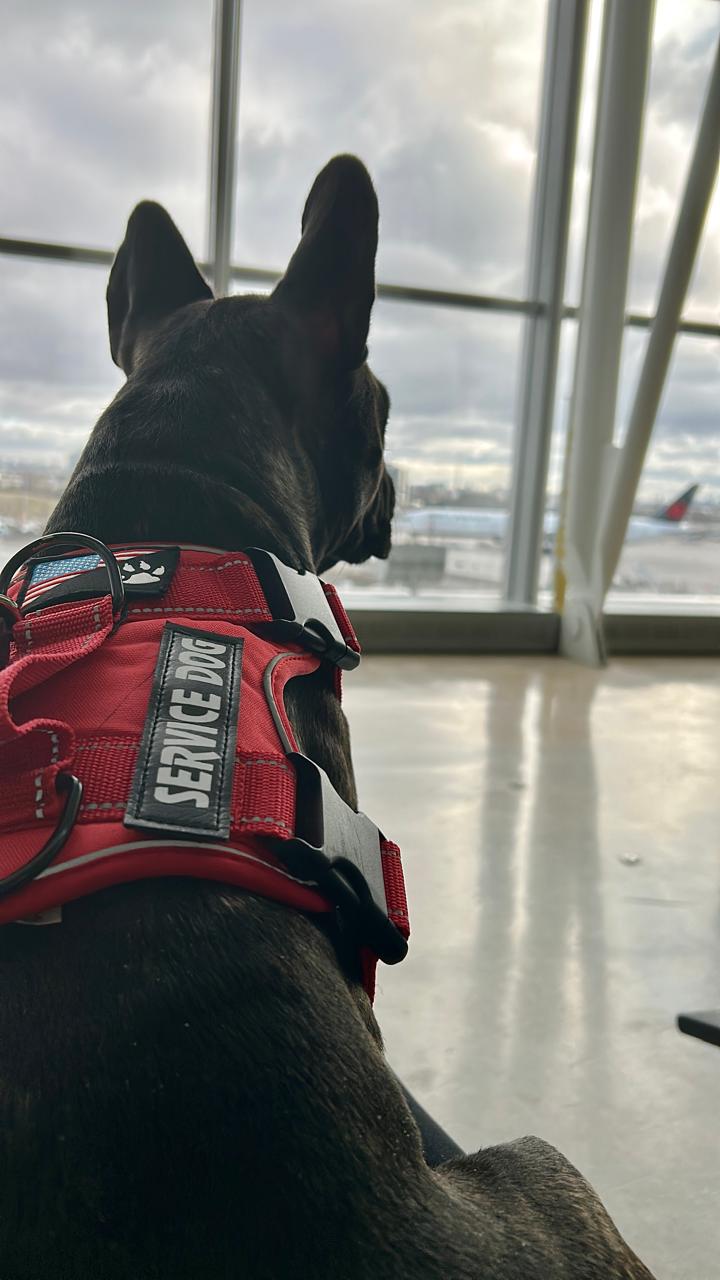
Handle or No Handle
Some service dog vests include a rigid handle on top, which is useful for mobility assistance dogs. If your dog performs tasks like bracing, balance support, or guiding, a handled vest or harness is a functional necessity rather than just identification gear.
Create Your Service Dog Profile
Get your digital ID card, certificate, and QR verification page — works perfectly with your vest or without one.
Start Free Registration →What About Fake Service Dog Vests?
Unfortunately, service dog vests are available for purchase by anyone online. This has led to a rise in people putting vests on untrained pets to gain public access — a practice that is illegal in most states and harmful to the service dog community. Misrepresenting a pet as a service dog is a misdemeanor in over 35 states, with fines ranging from $100 to $1,000 or more.
This misuse is one of the reasons legitimate handlers increasingly rely on verifiable digital ID systems like ServiceDog Profile. A QR code on your dog's ID card that links to a verified profile page provides a level of credibility that a vest alone cannot.
Can a Business Ask You to Prove Your Dog Is a Service Dog?
No. Under the ADA, businesses cannot demand proof of certification, registration, or training. They are limited to the two permissible questions mentioned earlier. If your dog is wearing a vest, most businesses will not even ask those questions. But whether your dog is vested or not, your rights remain the same.
If a business denies you access because your service dog is not wearing a vest, that is a violation of the ADA. You can file a complaint with the U.S. Department of Justice or your state's attorney general office.
The Bottom Line
A service dog vest is not a legal requirement — it is a practical tool. It reduces friction, signals professionalism, helps your dog stay in work mode, and provides convenience. Combined with a verified digital profile from ServiceDog Profile, a vest helps you navigate the world more smoothly with your service dog by your side.