The Law Is on Your Side
If your landlord is refusing to allow your service dog, they are almost certainly violating federal law. The Fair Housing Act (FHA) requires housing providers to make reasonable accommodations for people with disabilities, and that includes allowing service dogs and emotional support animals — even in properties with strict no-pet policies.
This is not a gray area. The Department of Housing and Urban Development (HUD) has issued clear guidance: a service dog is not a pet. No-pet policies, breed restrictions, weight limits, and pet deposits do not apply to service dogs or emotional support animals under the FHA.
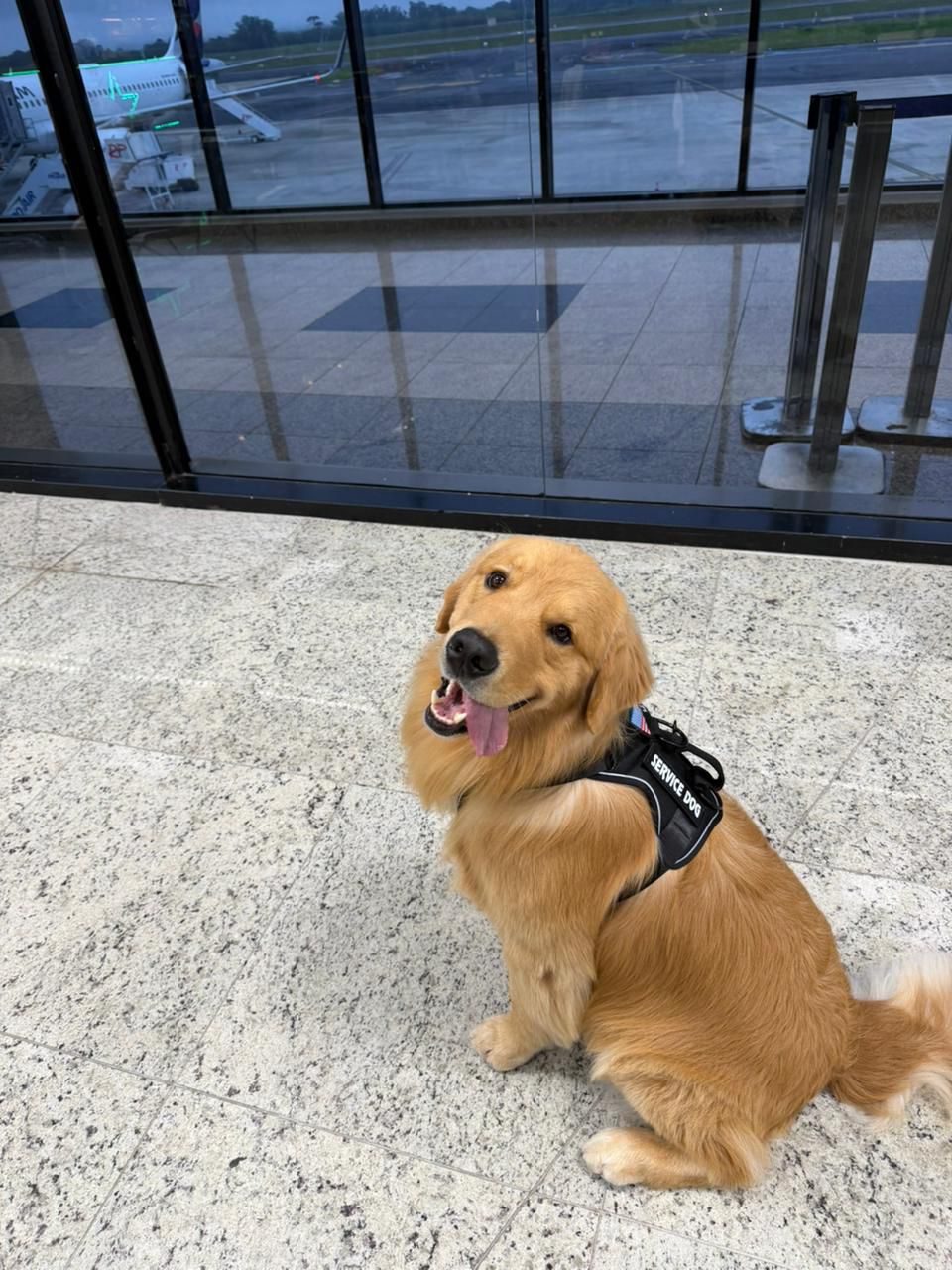
What the Fair Housing Act Protects
The FHA applies to nearly all housing in the United States, including apartments, condos, single-family rentals, and housing cooperatives. The only narrow exceptions are owner-occupied buildings with four or fewer units and single-family homes rented without a broker. Even these exceptions do not apply if the landlord advertises with discriminatory language.
Under the FHA, a landlord must grant a reasonable accommodation when a tenant or applicant with a disability needs an assistance animal. A reasonable accommodation is a change to rules, policies, or practices that allows a person with a disability equal opportunity to use and enjoy their home. Allowing a service dog in a no-pet building is a textbook example of a reasonable accommodation.
Service Dogs vs. Emotional Support Animals in Housing
In the housing context, the distinction between a service dog and an emotional support animal (ESA) matters less than in other settings. Under the FHA, both service dogs and ESAs are classified as "assistance animals," and both are protected. Your landlord cannot deny either type.
However, the documentation requirements differ slightly:
- Service dogs: Trained to perform specific tasks for a person with a disability. The disability and need may be obvious, in which case no documentation is required.
- ESAs: Provide emotional support through companionship. Landlords may request a letter from a licensed healthcare provider confirming the disability-related need.
In both cases, the landlord cannot charge a pet deposit, pet rent, or any extra fee for the animal. They also cannot impose breed or size restrictions.
How to Submit a Reasonable Accommodation Request
If your landlord has denied your service dog verbally, you need to formalize your request in writing. Here is a step-by-step approach:
- Write a formal request letter. State that you have a disability and that your service dog is necessary to assist with your disability. You do not need to disclose the specific nature of your disability.
- Attach supporting documentation. For a service dog, include proof of training or a professional digital ID card from a service like ServiceDog Profile. For an ESA, include a letter from your licensed mental health professional.
- Send the letter via email and certified mail. This creates a paper trail with a timestamp, which is critical if you need to file a complaint later.
- Give the landlord a reasonable time to respond. HUD considers 10 business days reasonable in most cases.
Create Your Service Dog Profile
Get your digital ID card, certificate, and QR verification page — instantly after registration.
Start Free Registration →What If Your Landlord Still Says No?
If your landlord denies your written reasonable accommodation request — or simply ignores it — you have several options:
- File a HUD complaint. You can file online at hud.gov or call HUD's Fair Housing hotline at 1-800-669-9777. HUD will investigate the complaint at no cost to you. Complaints must be filed within one year of the discriminatory act.
- File with your state or local fair housing agency. Many states have their own fair housing enforcement agencies that work in conjunction with HUD. Some states provide stronger protections than federal law.
- Consult a fair housing attorney. Many disability rights attorneys offer free consultations. If your case has merit, some will take it on contingency. Landlords who violate the FHA can be ordered to pay damages, penalties, and attorney fees.
Common Landlord Excuses — and Why They Don't Hold Up
Landlords frequently raise objections that sound reasonable but have no legal basis:
- "Our insurance doesn't cover that breed." Insurance concerns do not override the FHA. The landlord must make the accommodation regardless of their insurance carrier's preferences.
- "The dog is too big for the apartment." There is no size limit for assistance animals under the FHA.
- "Other tenants have allergies." A neighbor's allergy is not a valid reason to deny a service dog. The landlord should accommodate both tenants.
- "You didn't disclose the dog when you signed the lease." You have the right to request a reasonable accommodation at any time during your tenancy, not only at lease signing.
- "I need to see certification papers." There is no official government certification for service dogs. A landlord can request documentation showing disability-related need, but cannot demand a specific certificate or registration.
Protect Yourself with Documentation
The strongest position you can be in is one where everything is documented. Keep copies of all communication with your landlord. Having a professional ServiceDog Profile digital ID card with QR verification gives you a credible, verifiable document to present alongside your accommodation request. While not legally required, it demonstrates professionalism and seriousness.
When a Landlord Can Legally Deny an Assistance Animal
There are only two legitimate reasons a landlord can deny a service dog or ESA:
- The animal poses a direct threat to the health or safety of others that cannot be reduced through other accommodations. This must be based on the specific animal's actual behavior — not the breed, size, or type of animal.
- The animal would cause substantial physical damage to the property that cannot be reduced through other accommodations. Again, this must be based on the specific animal, not generalizations.
A landlord who denies your service dog must have objective, individualized evidence supporting one of these reasons. General fears, assumptions about breeds, or hypothetical concerns are not sufficient.
Know Your Rights, Stand Your Ground
If your landlord is refusing your service dog, understand that federal law is clearly in your favor. Put your request in writing, document everything, and do not be intimidated. If necessary, file a HUD complaint — the process is free and designed to protect tenants in exactly this situation. Your service dog is not a pet, and the law recognizes that.